

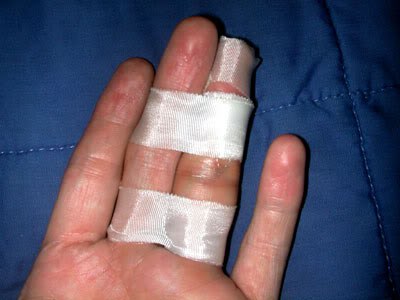
Your hands are your most valuable tools—whether you’re typing reports, crafting art, playing instruments, or simply texting friends. Yet most of us take them for granted until pain strikes. Repetitive strain injury (RSI) in the fingers and hands has become increasingly common in our digital age, affecting everyone from office workers to gamers, musicians to craftspeople.
The good news? RSI is largely preventable with the right knowledge and habits. Understanding the early warning signs and implementing protective strategies can save you from chronic pain and potential long-term damage. If you’re experiencing discomfort or want to prevent problems before they start, learning about RSI in hand issues is essential for maintaining healthy, pain-free hands throughout your life.
What Is Repetitive Strain Injury?
Repetitive strain injury refers to damage caused by repeated movements or sustained awkward positions. In the fingers and hands, this typically affects the muscles, tendons, and nerves that control fine motor movements.
How RSI Develops
RSI doesn’t happen overnight. It’s a gradual process where small amounts of tissue damage accumulate faster than your body can repair them. Each time you perform a repetitive motion—typing, clicking, gripping—tiny tears occur in the soft tissues. Normally, your body heals these during rest periods. However, when repetitive movements continue without adequate recovery time, the damage compounds.
Common causes include:
- Prolonged keyboard and mouse use without proper ergonomics
- Excessive smartphone scrolling and texting with thumbs
- Musical instrument practice without sufficient breaks
- Assembly line work requiring repetitive hand movements
- Gaming for extended periods with intense button pressing
Early Warning Signs
Recognizing RSI early dramatically improves your chances of full recovery. Watch for:
- Tingling or numbness in fingers, especially at night
- Aching or throbbing pain that worsens with activity
- Weakness in grip strength
- Stiffness in the morning or after periods of rest
- Sensitivity to cold temperatures in affected fingers
Many people dismiss these symptoms as temporary fatigue, but ignoring them allows the condition to progress from mild discomfort to debilitating pain.
Prevention Strategies That Actually Work
The best treatment for RSI is prevention. Implementing these strategies can protect your hands before problems develop.
Optimize Your Workspace Ergonomics
Keyboard position: Keep your keyboard at a height where your elbows bend at roughly 90 degrees and your wrists remain straight—not bent upward or downward.
Mouse placement: Position your mouse close to your keyboard so you don’t have to reach. Consider a vertical mouse design that keeps your hand in a more natural handshake position.
Screen height: Your monitor should be at eye level, preventing you from hunching forward and creating tension that travels down to your hands.
The 20-20-20 Rule for Hands
Most people are familiar with the 20-20-20 rule for eye strain, but it applies equally well to hand health. Every 20 minutes, take a 20-second break and perform 20 gentle stretches or movements with your hands and fingers. This simple habit prevents tissue fatigue from accumulating.
Strengthen and Stretch
Building hand and forearm strength doesn’t mean gripping harder—it means developing balanced muscle function. Gentle exercises like:
- Opening and closing your fist slowly
- Touching each fingertip to your thumb in sequence
- Spreading your fingers wide, then relaxing
- Making gentle circles with your wrists
These movements maintain flexibility and blood flow, which are crucial for tissue health.
Temperature Matters
Cold hands are more susceptible to injury. If you work in air-conditioned environments or have naturally cold hands, consider fingerless gloves or take warm-up breaks. Cold temperatures reduce blood flow, making tissues less resilient.
When to Seek Professional Help
While prevention is ideal, sometimes symptoms develop despite our best efforts. Seek professional evaluation if:
- Pain persists for more than two weeks despite rest
- You experience numbness that doesn’t resolve
- Grip strength noticeably decreases
- Symptoms interfere with daily activities or sleep
Early professional intervention—whether from a physiotherapist, occupational therapist, or hand specialist—can prevent temporary discomfort from becoming a chronic condition.
FAQ Section
Can RSI in fingers heal completely?
Yes, if caught early and treated properly, most RSI cases can heal completely. The key is identifying the repetitive activity causing the problem, modifying your technique or environment, and allowing adequate healing time. However, returning to problematic habits without changes will cause symptoms to recur.
How long does it take for finger RSI to heal?
Recovery time varies based on severity. Mild cases may improve within 2-4 weeks with rest and modified activity. Moderate cases might require 6-12 weeks, while severe RSI can take several months. Consistent adherence to ergonomic changes and exercises significantly impacts healing speed.
Are some people more prone to RSI than others?
Yes, several factors increase susceptibility. Women are more prone due to smaller anatomical structures. People with diabetes, rheumatoid arthritis, or thyroid conditions face higher risk. Those with naturally hypermobile joints or previous hand injuries are also more vulnerable. However, proper ergonomics and breaks benefit everyone regardless of baseline risk.
Does typing speed affect RSI risk?
Surprisingly, typing speed itself isn’t the main culprit—technique and setup matter more. A fast typist with excellent ergonomics and light touch may have less risk than a slow typist who pounds keys forcefully with poor wrist position. Focus on maintaining neutral wrist positions and using minimal force rather than simply slowing down.
Can smartphone use cause RSI in fingers?
Absolutely. “Texting thumb” is a recognized form of RSI affecting the thumb tendons. The combination of repetitive swiping, awkward thumb angles, and the small size of phone screens creates perfect conditions for strain. Hold your phone at eye level, use voice-to-text when possible, and take regular breaks from scrolling.
Conclusion
Your hands enable you to work, create, and connect with the world—protecting them should be a priority, not an afterthought. Repetitive strain injury in the fingers is increasingly common, but it’s also largely preventable through awareness, proper ergonomics, and regular breaks. By recognizing early warning signs and implementing protective strategies now, you can avoid the chronic pain and limitations that come with advanced RSI. Small changes to your daily habits—adjusting your workspace, taking micro-breaks, and performing gentle stretches—can preserve your hand health for decades to come. Don’t wait until pain forces you to act; prevention is always easier than treatment.
