
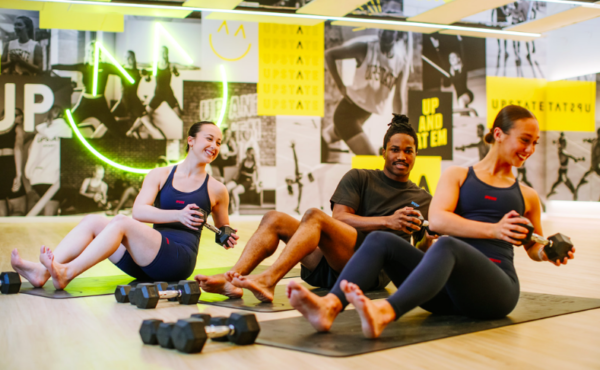
Walk into an infrared-heated Pilates class and the first thing you notice is how the heat feels. It is not the thick, heavy warmth of a sauna or a standard hot room. It is a dry, radiant heat that seems to reach your muscles directly, almost like sunlight on a cold day. That distinction is not marketing. It is the whole reason infrared has become the heat of choice for serious Pilates studios.
How Infrared Differs From Regular Heat
A conventional heated room warms the air around you, and that hot air then warms your body from the outside in. It works, but it can feel stifling, and for some people it makes an already hard class harder to breathe through. Infrared takes a different route. It warms objects and bodies directly rather than heating the air first, so the room can feel more breathable while your muscles still get thoroughly warm.
For Pilates, that matters more than it might sound. Pilates rewards control, precision, and deep muscular engagement. Warm muscles perform all three better. They contract more efficiently, stretch further without strain, and are less prone to the small tweaks that come from working cold. Infrared gets your body ready to move well without the top-heavy, hard-to-breathe feeling of air-based heat.
What the Heat Does for Your Body
Training in an infrared pilates studio tends to produce a few consistent effects. Your range of motion improves within minutes, so each exercise reaches deeper. Your heart rate climbs a little faster, adding a gentle cardiovascular element to an otherwise low-impact session. And because your body is warm throughout, you sweat more, which most people experience as a sign the work is landing.
Recovery is where a lot of members notice the biggest difference. Infrared warmth is often associated with reduced muscle stiffness and a feeling of looseness after class, rather than the tight, sore aftermath of a cold, intense workout. Pair that with the joint-friendly nature of mat Pilates and you get a workout you can genuinely do several times a week without breaking down.
Who It Suits
The honest answer is almost everyone. Beginners appreciate that the heat makes their bodies feel more capable from the first class. People managing old injuries value the low-impact movement and the warmth that eases stiff areas. And experienced practitioners find that the heat adds a new layer of challenge to exercises they thought they had mastered.
It has also spread well beyond the city core. In Nassau County, for instance, the option to book pilates east meadow residents can reach in minutes means the infrared experience is no longer something you have to travel into Manhattan for. Suburban studios are now offering the same technology, the same class variety, and in some cases even more, with reformer studios and body-sculpting technology under one roof.
Trying It for Yourself
Reading about infrared heat only gets you so far. The difference is something you feel in the first five minutes of a class, when your body warms up faster than you expected and the movement starts to flow. If you are curious, look for a studio that offers a free first session so you can experience it without committing upfront. Go in, follow the instructor, and notice how you feel the next day. That is where infrared quietly wins people over.
